More storefronts, not more admin
One catalogue, never duplicated — Add a product once. Every storefront you run can sell it — you're not maintaining separate copies that drift apart.
Its own domain, currency and language — Each storefront gets its own domain, default currency, locale and theme — a genuinely separate storefront to the person visiting it.
Prices and visibility, per storefront — Hide a product on one storefront, discount it on another — an override, not a second product to keep in sync.
One back office for all of them — Orders and customers from every storefront land in the same place — one dashboard, one login, whichever storefront a customer bought from.
The catalogue stays one. Only what needs to differ, differs.
A multi store ecommerce platform only earns the name if the storefronts stay easy to run, so every storefront reads from the same catalogue by default. Where one genuinely needs to differ, you set an override on that product for that one storefront — hide it, change its price or its position — and everything you don't touch keeps showing the catalogue's own values. Nothing to keep in sync by hand, nothing forgotten on the storefront you update less often. Each storefront also carries its own customer sign-in policy and can restrict which countries it sells to at all.
What it costs, in real numbers
Yes — a per-storefront price override replaces the catalogue price on just that one storefront, without touching the product everywhere else.
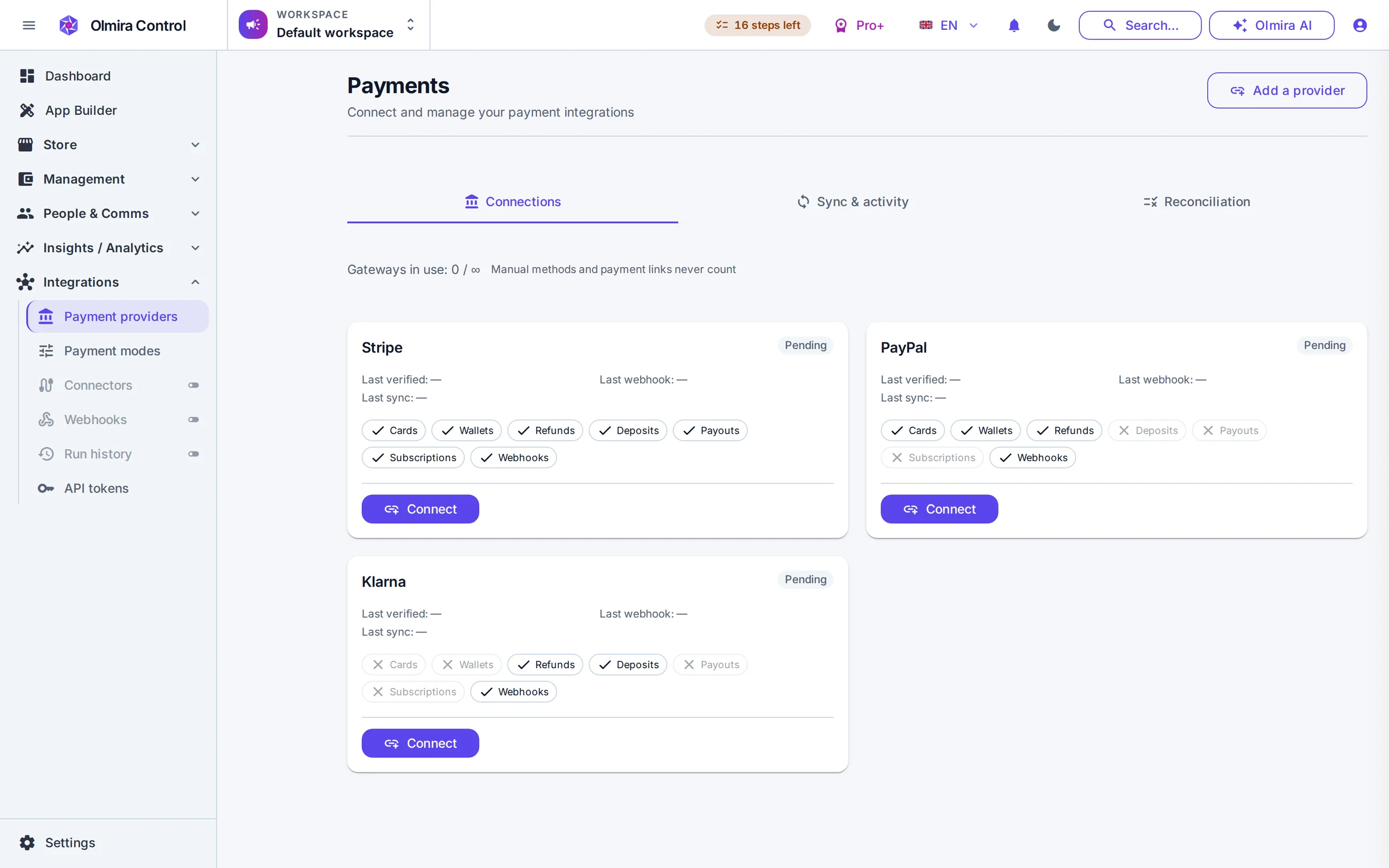
Stock itself is a separate, complementary add-on — regional inventory — that restricts which storefront can sell a product based on which warehouse actually stocks it for that buyer's country. It's often bought alongside multi-storefront, but it's a distinct capability.
Every account needs exactly one default storefront at all times, so you'd promote another to take its place first — there's never a moment with none at all.