See the store itself
Six ways to sell, checked out on your own payment account, with the platform fee fixed at €0 on every plan that includes it.
"No transaction fees" is one of the most repeated claims in website-builder marketing, and one of the least consistently defined — it can mean three completely different things depending on who's saying it. Three separate layers can take a cut of an online sale, owned by three different parties. Read any platform's pricing page — including ours — against them.
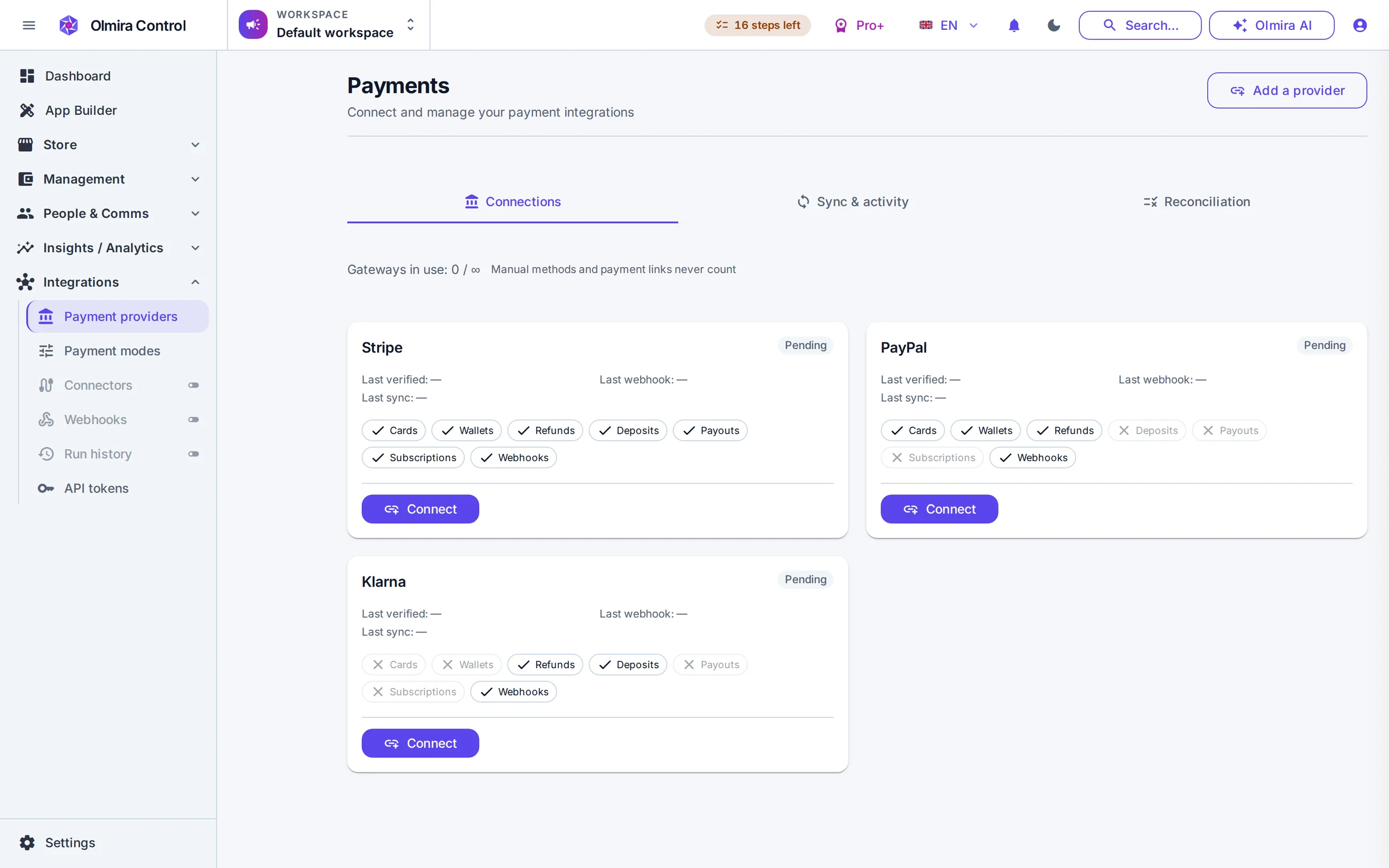
Layer 1 — payment processing — exists independently of any website builder. The processor authorises the card or wallet, handles fraud checks and chargebacks, and moves the money — priced by the processor itself, typically a small percentage plus a fixed amount per transaction, usually deducted before payout. Nobody skips this layer.
Layer 2 — the platform's own cut, if any — what "no transaction fees" claims are actually about: the builder itself taking a percentage of each sale, separate from and on top of processing. It varies enormously between platforms and between plans on the same platform — selling the entry tier cheap and recovering the difference from a slice of the seller's revenue is a real business model. Read this layer's fine print, not the headline.
Layer 3 — the subscription — the flat, recurring price for the software. It doesn't move with sales: a slow month and a record month cost the same. On a platform with no layer-2 cut, this is the only thing the platform earns from you — which changes its incentives toward keeping you subscribed and satisfied, not toward growing its slice of your revenue.
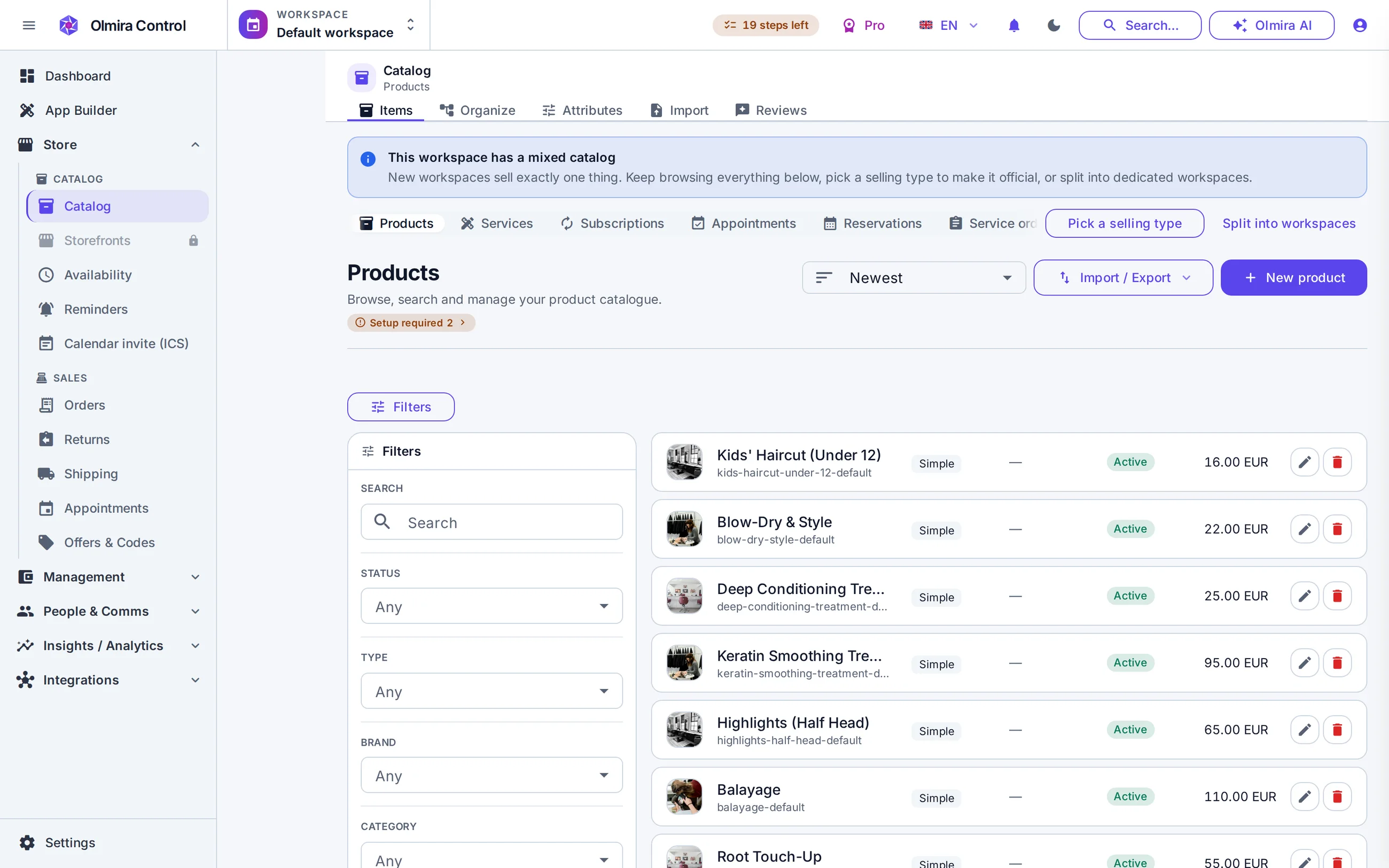
Identify which payment processor actually runs the checkout — it's usually named in the platform's payment settings. Its own pricing page, not the website builder's marketing page, is the source for layer-1 costs.
Search the platform's terms or pricing FAQ for "transaction fee," "platform fee" or "take rate." If the phrase isn't there at all on any plan, that's a meaningfully different claim than "included on our top plan."
A subscription fee is predictable regardless of revenue; a percentage-of-sales fee isn't. Model both against your actual (or expected) monthly revenue — a "cheaper" plan with a layer-2 percentage can cost more in a good month than a pricier flat-fee plan.
Some platforms' "no fee" claims apply to card payments only, with a different rate — or a re-added fee — for wallets, buy-now-pay-later or bank transfers. Confirm the claim covers every method you intend to accept.
Six ways to sell, checked out on your own payment account, with the platform fee fixed at €0 on every plan that includes it.
What "connect your own Stripe or PayPal" actually means, and why it's different from a platform that collects and pays you out later.
What EU consumer law requires you to accept back, and the narrow cases where that requirement stops applying.